The coronavirus outbreak will not be easy for anyone – but there is no doubt that some industries and businesses are set to do well from the widespread social changes that the crisis demands.
One of those industries is our supermarkets. No one can deny that supermarkets are doing an exceptional, difficult and vital job keeping the country supplied during the crisis.
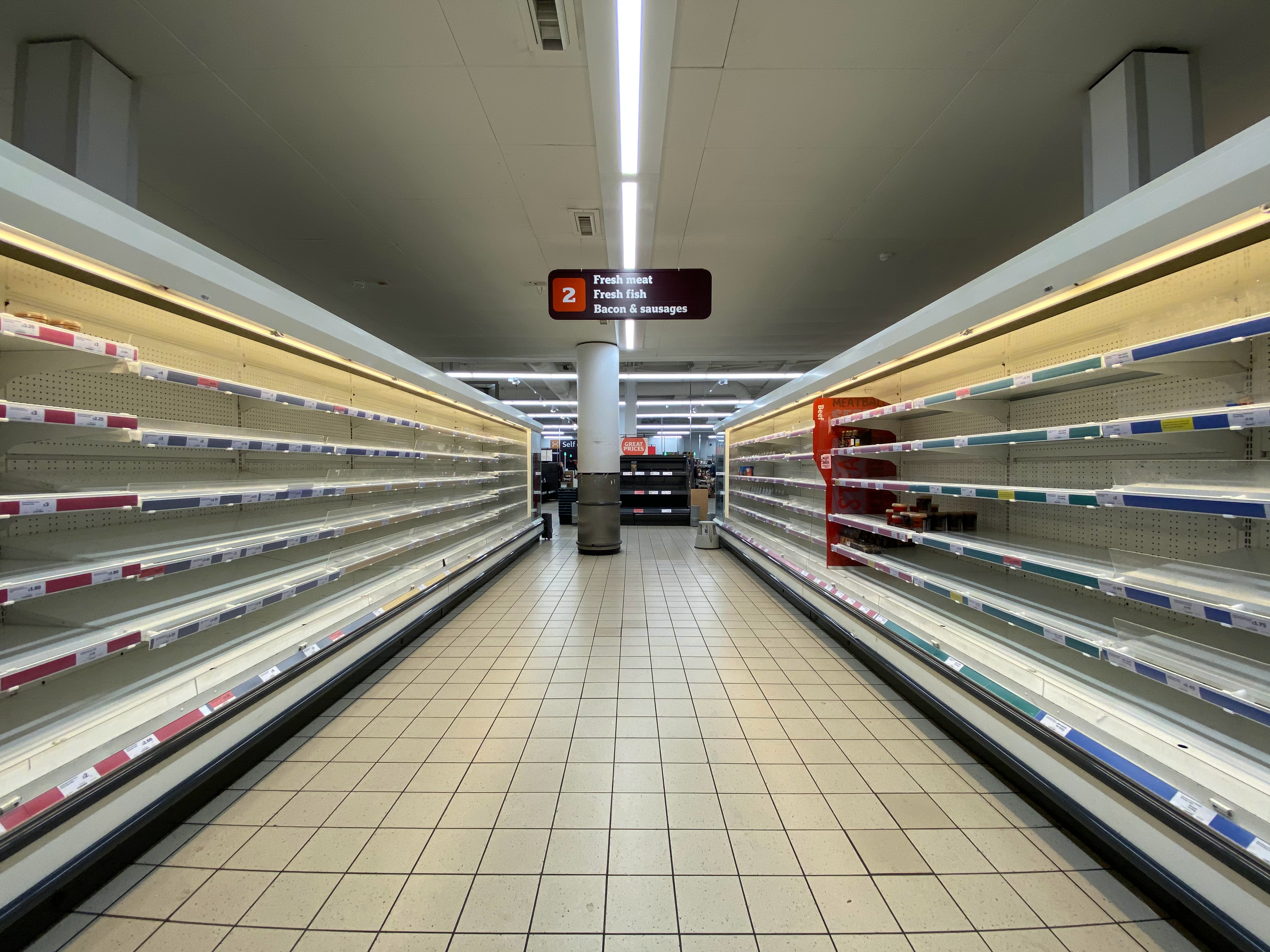
However, the empty shelves seen across the country are not a sign that people have stopped buying food. Quite the opposite. UK supermarkets are currently seeing levels of demand usually experienced around Christmas as households face the prospect of two weeks’ isolation if anyone in the home gets a cough. This is not just a case of Christmas come early. Christmas is coming again and again and again. High volumes have been paired with higher prices as companies remove multi-buy deals to discourage panic-buying.
This is unlikely to be just a coronavirus blip. Social distancing measures may need to be maintained for some time after the outbreak is tamed, meaning that people are likely to be spending more time at home. The shift to home working for millions of people is also likely to persist for some time, as many companies that have been forced to build an infrastructure to allow home working will be more relaxed about their employees doing so in the future.
All of this will mean that in the long term, supermarkets are likely to make significant gains from the coronavirus outbreak. This is probably the last industry right now that needs a bailout – however, they are about to receive a cash bonanza from the government.
One of the big items of spending the government has announced in response to the pandemic been the business rates holiday for all retailers. The holiday applies to all retailers, whether or not they have been forced to close during the outbreak.
According to The Grocer, superstores and hypermarkets pay a total of £2.68bn in business rates a year. Add to this an extra few hundred million paid by smaller stores and the total bill hits £3bn.
The industry is concentrated, with a few companies making up a large percentage of shop space. The largest, Tesco, claims to pay around £700m in business rates a year. A week ago, Sainsbury’s put out a stock market announcement welcoming the Chancellor’s announcement on business rates, pointing out that the company paid £500m in business rates on its shops. Shares in the company were up over 10% on the news. The stock-market announcement said that the company was awaiting details of the scheme, however, it seems certain that they will qualify with the Chancellor stating in his first coronavirus update:
“We’re abolishing business rates altogether this year if you are in hospitality, retail and leisure.”
The amount of money this represents is mind boggling. To put it into context, Tesco made pre-tax profits of £1.6bn last year. A business rates holiday of £700m represents 50% of their total profit. For Sainsbury’s their business rates bill is more than double last year’s pre-tax profit of £239m.
Until now, the response of the government to the immediate crisis has been to throw money at entire sectors of the economy. Given the speed at which the government has to react to events, that is to some extent understandable.
However, there are risks to this approach and some significant questions which will need to be worked through. Does such broad intervention by the government, by rewarding both winners and losers, lead to economic inequalities being exacerbated?
Providing such broad interventions is easier and quicker to administer, but it is expensive. As the bill for the coronavirus continues to mount, will the public continue to support the government if they feel that their tax money is being spent on companies that are set to do very well out of this?
Should the government be asking for more in return for businesses that receive support? In the supermarket sector, should there be an obligation to use at least some of the support they receive to help stock foodbanks for example?
The business rates holiday was announced at a time when the government probably thought that the limit of their intervention on social distancing would be to tell people to wash their hands and avoid the crowds.
Now that the entire county has been put in lockdown, with all but “essential” retailers being told to close their doors, it may be a better idea for the government to take a more targeted approach, with support being directed towards businesses forced to close, whilst those that remain open and thrive continue to pay business rates in the normal way.
This research featured in The Times. Our Director has had an op-ed on the issue published in The Guardian.
Photo by John Cameron on Unsplash