

How to get wealthy taxpayers to pay half a billion of their due taxes
Snuck out alongside the Autumn Budget was HMRC’s ‘Wealthy Plan’, a roadmap for ensuring wealthy taxpayers are paying their taxes. It’s been under development over the summer, after MPs claimed last year that HMRC didn’t have a grip on the scale of wealthy non-compliance. We take a look at how it stacks up in three key areas.

Is the Chancellor working from the wrong spreadsheet?
HMRC has quietly withdrawn a key set of statistics that is reportedly driving Budget decisions on how to tax wealth

Five things we’d like to see in the Budget
Five tax administration changes the Chancellor could announce that would help bring down the £60bn tax gap; make sure everyone pays their due taxes; and ensure that when the tax system says they don’t have to, it’s because they’re doing something we want them to do.

How many times can you move to Monaco?
Dozens of news reports are claiming that property billionaire David Reuben, number two on the UK’s Rich List, moved from London to Monaco “this summer”, pushed out by the government’s tax changes and costing the economy millions. But according to official company records and a signed 2024 court declaration obtained by TaxWatch, he’s actually been living offshore since around 2014.

Anonymous online advisers mainstreaming tax secrecy strategies for ordinary taxpayers
We’re used to thinking of offshore tax avoidance and evasion as an elite, exclusive world of Swiss bank accounts and Caribbean law firms. But increasingly it involves anonymous social media channels and online consultations offering offshore entities set up online in minutes, privacy-enhanced cryptocurrency, and multiple passports. UK regulation hasn’t caught up with this reality.

Are MPs right about the tax at stake if this billionaire moves?
We took a deep-dive into a billionaire’s hedge fund to answer two questions: Is his UK tax bill “every year, £330 million”, as Parliament was told? And will that all go away if he leaves the UK?

What should we learn from multinationals about how to tax billionaires? A tax gap long read
HMRC wants to offer the wealthiest taxpayers a dedicated tax ‘concierge’ service to help them pay their due taxes. It argues that this individualised and cooperative approach has already worked with large businesses, helping to end the bad old days of multinational tax avoidance.
But in fact the ‘tax gap’ is quietly rising for both large businesses and the wealthiest individuals. The new ‘wealthy compliance plan’ needs to draw the right lessons from large business compliance. These include the need for credible sanctions regimes to create the right incentives for cooperation; and the potential benefits of ‘country-by-country’ financial disclosure for billionaires as well as multinationals.
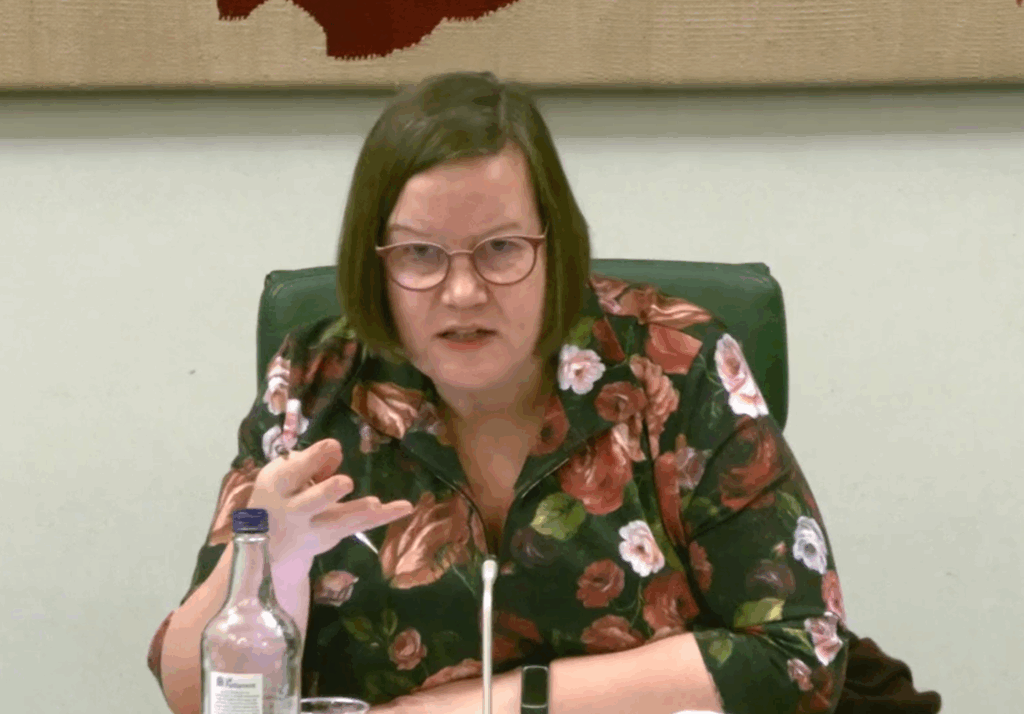
MPs ask tough questions about closing the tax gap
On 13 January, Parliament’s Treasury Select Committee grilled HMRC’s chief and senior staff about their efforts to tackle tax avoidance, evasion and tax debt. MPs referenced TaxWatch research and investigations in questions about corporate tax reliefs, recruitment, penalties for enablers of tax evasion, and the ‘offshore tax gap’. There was good news in some of the responses – but others raised more questions.

Making tax digital? Five things we’ve learned about HMRC’s Digital Transformation in 2025
HMRC has promised that from 2026 it will transform the way it uses digital tools to tackle tax evasion and interface with taxpayers. With the clock ticking, here are five things we found out this year about how HMRC’s digital transformation – including Making Tax Digital – is going.