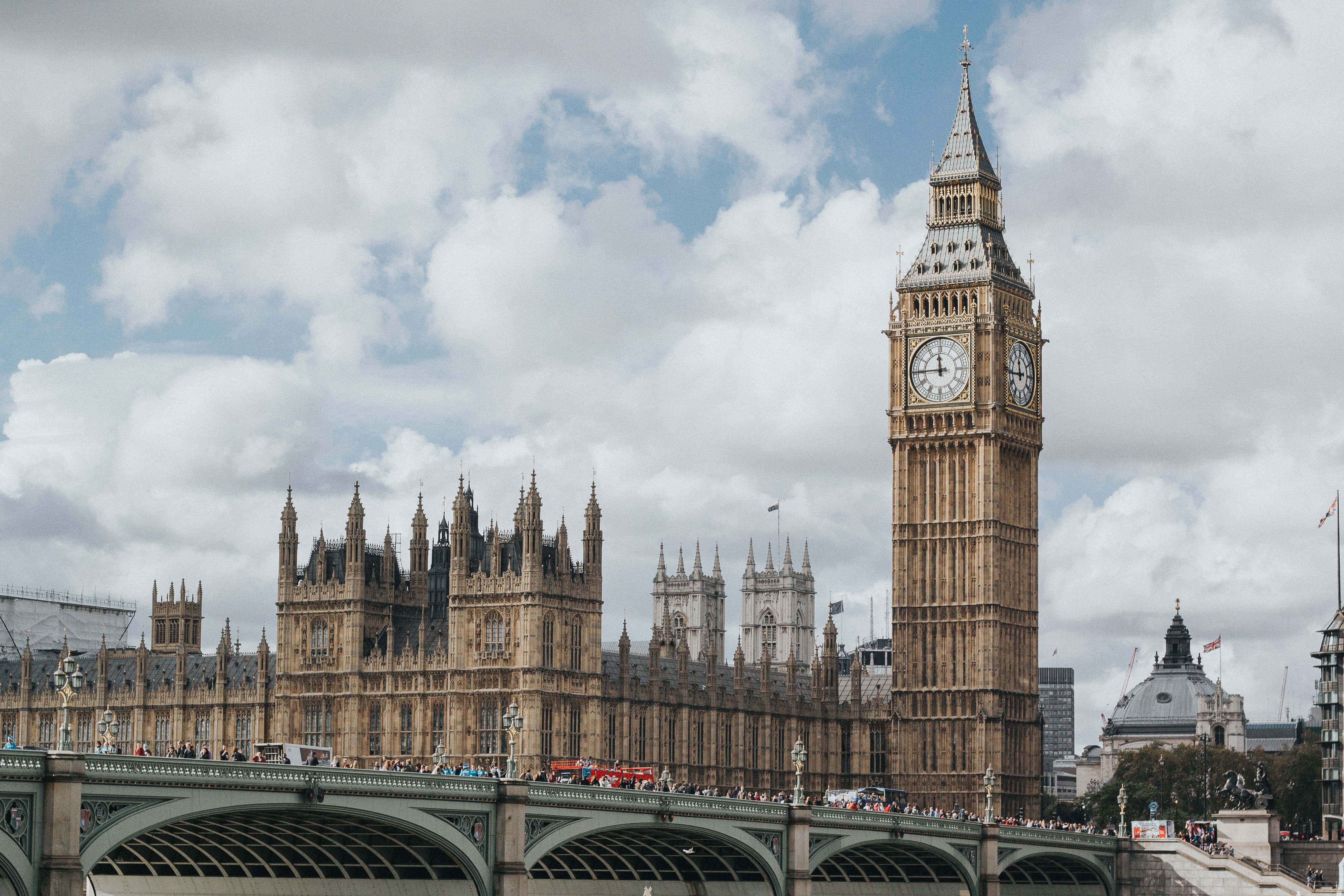
An adjournment debate on Netflix’s tax affairs was held in the House of Commons last night in response to research conducted by TaxWatch. Rt Hon Dame Margaret Hodge, Labour MP for Barking and chair of the All Party Parliamentary Group on Responsible Tax, called Netflix’s tax structure “scandalous, intolerable, and unfair.”
Dame Margaret called for video streaming services to be included in the government’s new Digital Services Tax. Currently, the DST excludes companies like Netflix from the charge.
She went on to say that as a great deal of Netflix’s intellectual property is developed in the UK, with the aid of creative tax reliefs, it is only right that the profits generated are subjected to UK corporation tax. Dame Margaret questioned why the eligibility criteria for creative industry tax relief cannot be adjusted to insist that any company receiving credits must declare their revenue earned in the UK via a UK company.
Dame Margaret gives Brazil as an example of a country that successfully taxes Netflix – by using a withholding tax – asking “If Brazil can tax Netflix, why can’t we?”
Financial Secretary to the Treasury, Rt Hon Jesse Norman MP, thanked Dame Margaret for raising the issue, calling it an “interesting and important topic that is of great public import”. In response to the points raised he said: “The Government does recognise that some multinational businesses have sought to avoid paying their fair share of tax in the UK by entering into contrived arrangements to divert profits to low tax jurisdictions.” However, he stressed that by law, ministers are “never privy to information about the tax affairs of specific companies or individuals.”
In response to the suggestion that Netflix is paying no UK tax while receiving creative reliefs, Mr Norman stated that businesses should be “incentivised” to invest in the UK’s creative economy.
Mr Norman went on to say “It is equally right that HMRC should subject large businesses to an appropriate level of scrutiny and my understanding is they are actively investigating around half of the UK’s large businesses at any given time.”
Responding to the point regarding the DST, Mr Norman stated that in order to include Netflix, tax rules would have to be rewritten, as the DST is currently aimed at search engines and social media, and that “the DST is intended to be a temporary measure pending agreement of a long-term global solution”. This is in reference to the OECD’s digital tax plans for multinationals, which are not yet set in stone.
With regard to taxing intellectual property, Mr Norman said “under international tax rules, the UK is entitled to tax the shares of a company’s profits that relate to those production activities…so she should not have concern on that front”
In response to the example of Brazil, Mr Norman makes reference to a tax charge on offshore receipts in respect of intangible property. While this has the potential to be an important tool in stopping multi-nationals from shifting profits offshore, as we pointed out last year, the fact that it is restricted to non-treaty jurisdictions is a severe limitation.
Our recent research revealed that despite having 11.62 million subscribers in the UK last year, generating an estimated £1bn in revenues and £68.5 million profit, Netflix Services UK is unlikely to have faced any tax liability because revenues from UK subscribers are booked in the Netherlands and the company in the UK receives tax credits under the creative industry tax relief scheme.
However, as disclosed by the company, Netflix’s 2018 UK tax return is currently under examination by HMRC.
The debate is available on Parliament Live here.
Photo by Marcin Nowak on Unsplash