

Anonymous online advisers mainstreaming tax secrecy strategies for ordinary taxpayers
We’re used to thinking of offshore tax avoidance and evasion as an elite, exclusive world of Swiss bank accounts and Caribbean law firms. But increasingly it involves anonymous social media channels and online consultations offering offshore entities set up online in minutes, privacy-enhanced cryptocurrency, and multiple passports. UK regulation hasn’t caught up with this reality.

What should we learn from multinationals about how to tax billionaires? A tax gap long read
HMRC wants to offer the wealthiest taxpayers a dedicated tax ‘concierge’ service to help them pay their due taxes. It argues that this individualised and cooperative approach has already worked with large businesses, helping to end the bad old days of multinational tax avoidance.
But in fact the ‘tax gap’ is quietly rising for both large businesses and the wealthiest individuals. The new ‘wealthy compliance plan’ needs to draw the right lessons from large business compliance. These include the need for credible sanctions regimes to create the right incentives for cooperation; and the potential benefits of ‘country-by-country’ financial disclosure for billionaires as well as multinationals.
The best spent money in Whitehall?
New figures show that HMRC’s efforts to make taxpayers pay the right tax brought in £22 for every £1 spent last year. That’s exceptional value for money. Nonetheless beneath the headline numbers there’s a more complicated story about how HMRC’s tax compliance efforts are changing.
The tax gap seems to be getting worse – and by more than we thought
HMRC’s latest figures present a very different picture to previous years. The amount of due taxes going unpaid may be £6 billion bigger than previously thought — and going up, not down. Any incoming prime minister (or Chancellor) will have to go faster and further to tackle tax non-compliance if they want to stick to current spending commitments, let alone introduce new ones.
HMRC tells MPs it doesn’t know how many large businesses it’s investigating for tax fraud
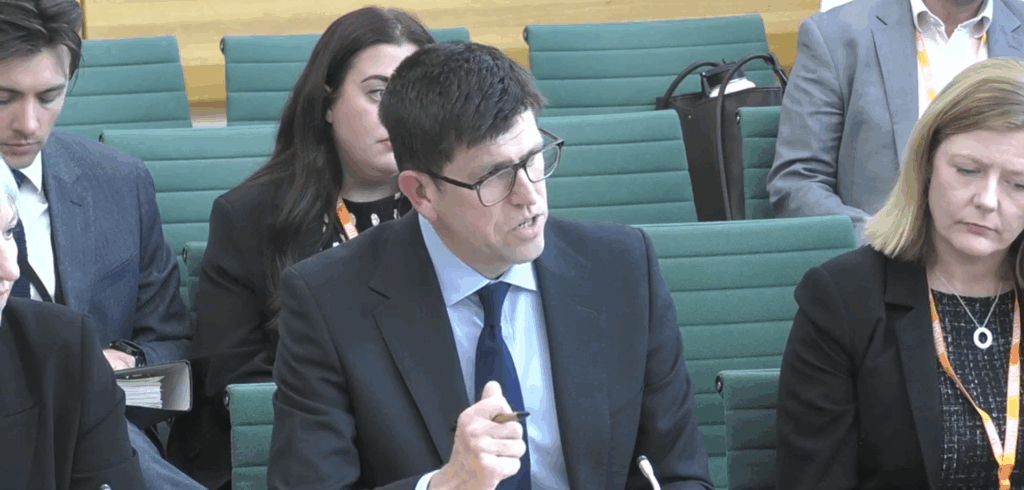
On 18 May, MPs quizzed senior HMRC officials about how they’re making the biggest multinational companies pay their due taxes. HMRC officials confirmed TaxWatch’s findings that HMRC simply doesn’t know some key facts about its own tax enforcement efforts: including, astonishingly, how many large businesses they are currently investigating for tax fraud or other serious, deliberate tax non-compliance.

Private justice, public loss
While consumers’ fuel bills go up, a £1.5 billion tax bill levied on one of the world’s biggest oil traders remains unsettled. This week it announced bumper trading profits amidst the global oil supply shock. HMRC first alleged that the company’s oil trading profits were being shifted artificially to Switzerland fifteen years ago. So how are the same transactions still continuing today?

Big corporates: tax heroes or tax sinners?
A new National Audit Office enquiry to which TaxWatch gave evidence finds that large business ‘compliance yield’ – unpaid taxes that were recovered or prevented by HMRC’s efforts – has doubled over the last three years. That begs the question: are the UK’s biggest companies avoiding paying their due taxes more than previously?

Are small businesses tax dodgers or tax victims?
Parliament’s Business and Trade Committee says tax compliance is crushing small businesses. HMRC says small business tax abuse is out of control. Can both be true?

Recognising the right tax heroes
The annual Sunday Times’ Tax List claims to show the ‘unsung heroes’ who are the UK’s Top 100 taxpayers. And there are tax heroes who are paying their fair share. But not all that glistens is gold…