Undue influence by multinational corporations in the UK

by | Sep 23, 2021

TaxWatch research has been published by Transparency International, looking at the UK’s reform of its Controlled Foreign Company (CFC) regime in 2012, which exempted some UK-based multinational companies from anti-tax avoidance rules. The research piece analyses potential lobbying through professional service providers, and the ‘revolving door’.

Controlled foreign company rules are an important feature of many tax systems around the world. CFC rules allow a tax authority to impose a corporate tax charge on the foreign subsidiaries of any multinational corporation headquartered in their country. This prevents multinational enterprises from moving profits into tax havens because any profits made by that company will be taxed in the headquarters jurisdiction, rather than at the tax haven rate.

This case study looks at the UK’s reform of their CFC regime in 2012, which was introduced following years of intense lobbying from the business community. The 2012 changes radically reduced the scope of the UK’s rules and facilitated the use of avoidance structures by UK-based multinational companies.

In 2019, these changes were found to be unlawful by the European Commission, which found they constituted State Aid.

The full report, ‘The Right Incentives? The risks of undue influence in tax policy’, was produced by Transparency International with the financial support of the European Union.

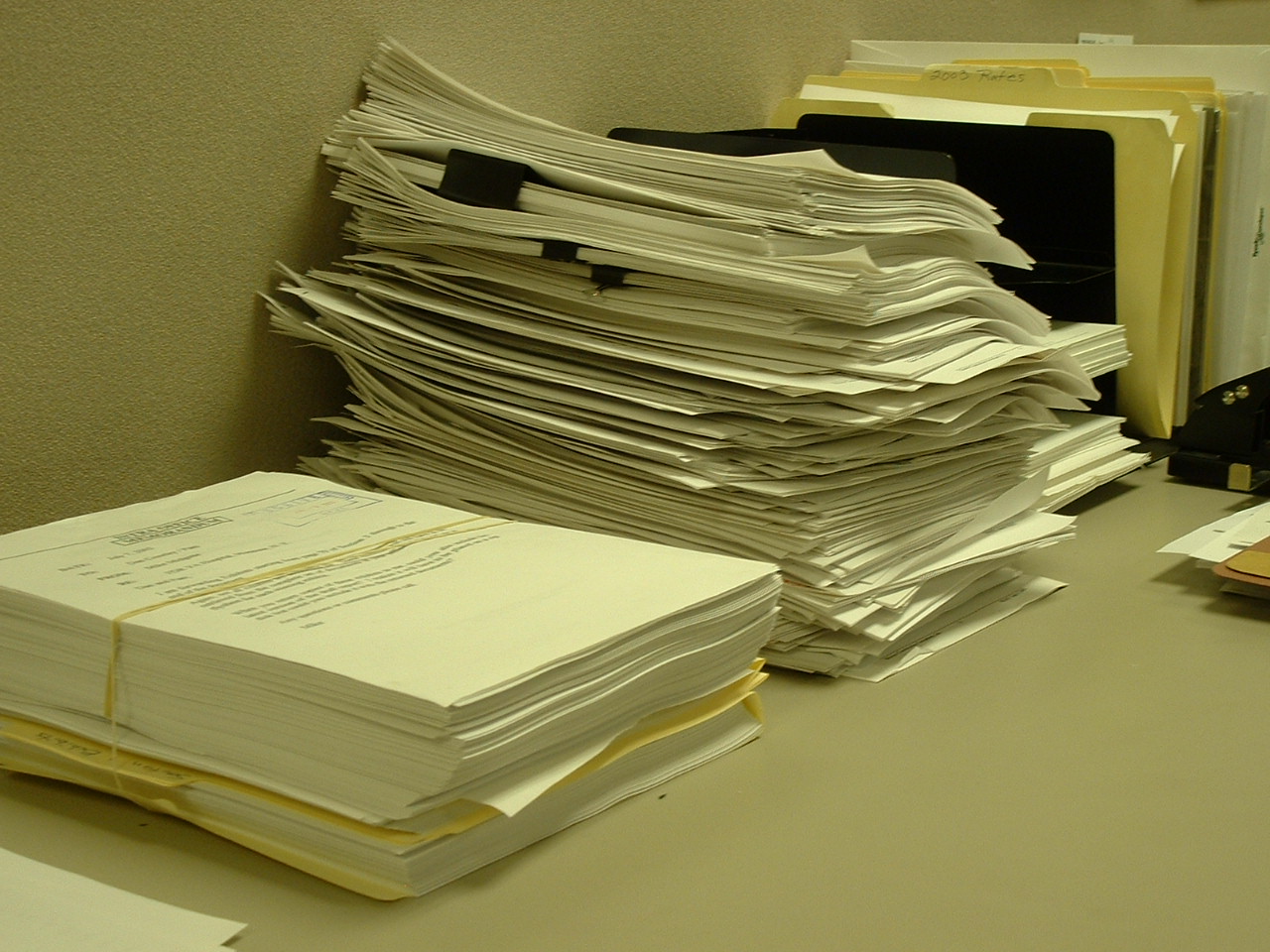
Photo by ben ullman from FreeImages

Related stories

Not just vape shops – the small business tax gap

Not just vape shops – the small business tax gap

According to HMRC figures released this week, small businesses are underpaying £37bn of due tax every year – roughly the replacement cost of Britain’s nuclear submarines. But this giant figure, already driving resource decisions, rests on an analysis of just 337 tax returns. And much of the missing tax may be accountants getting tax returns wrong, not high-street criminality and deliberate tax fraud.

The tax gap seems to be getting worse – and by more than we thought

The tax gap seems to be getting worse – and by more than we thought

HMRC’s latest figures present a very different picture to previous years. The amount of due taxes going unpaid may be £6 billion bigger than previously thought — and going up, not down. Any incoming prime minister (or Chancellor) will have to go faster and further to tackle tax non-compliance if they want to stick to current spending commitments, let alone introduce new ones.


Media

For media requests or any other enquiries, please contact:

Mike Lewis, TaxWatch Director

mike [at] taxwatchuk.org

+44 7940 047576


Newsletter

Enter your email address to subscribe to our newsletter.

Please wait...

Thank you - please click on the link in the email we've just sent to confirm your subscription.